Original practical guidance · not individual advice
Loyalty conflict after separation: when loving a parent feels wrong
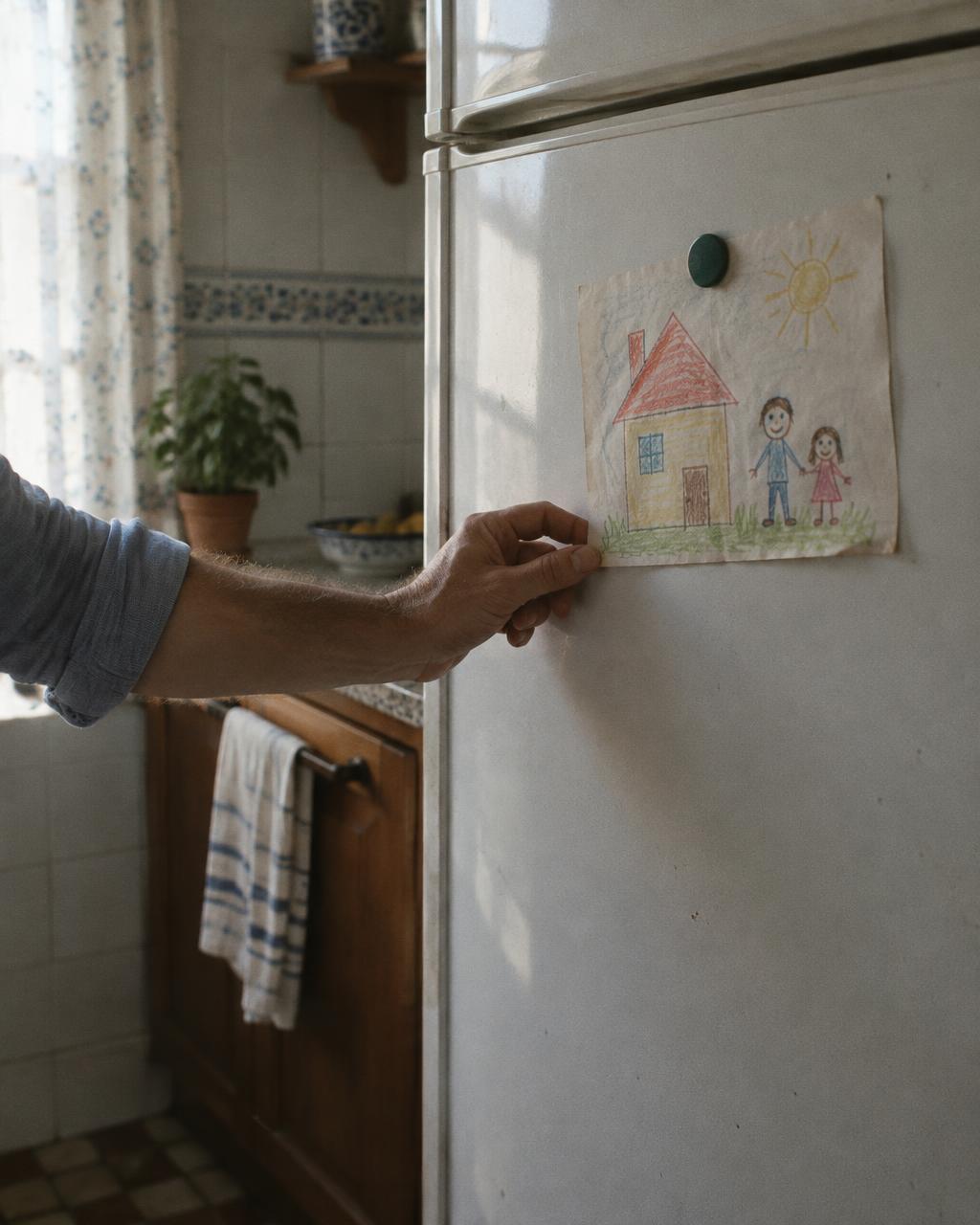
Your child may say they feel bad about enjoying time with you, or seem worried when mentioning another relative. A phrase or gesture alone cannot tell us why. Instead of looking for someone to blame, you can help them feel less responsible for your emotions or for choosing sides. That starts with how you respond.
What it means to feel caught between loyalties
A child may feel that enjoying time with one parent disappoints the other, that they must watch what they say or that keeping the peace is their job. “Loyalty conflict” describes that tension here, not a disorder or proof of child manipulation after divorce. It can involve arguments, comments, emotional reactions or a child’s interpretation. Possible experiences of harm also need to be heard.
Notice specifics without investigating your child—for example, asking permission to speak fondly about a relative or worrying about comforting you. An isolated gesture cannot explain the cause. Do not collect “symptoms” to prove who is to blame. Ask how your own behaviour can reduce pressure.
When your child shares something difficult
Thank them for telling you, acknowledge the feeling and pause. Do not finish their account or supply an explanation: “That sounds difficult. I want to listen” leaves more room than “Someone has turned you against me.” If they mention a threat or harm, do not promise absolute secrecy; explain that you will seek help to protect them. The aim is safety and listening, not obtaining a statement.
If you have criticised the other parent or asked your child for comfort, acknowledge it simply and change your behaviour. Do not ask for immediate forgiveness or reassurance that everything is fine. Everyday consistency matters more than repeating a reassuring phrase.
Offer reassurance without demanding a response
You could say: “You do not need to choose between people you love” or “I will look after my feelings with other adults.” Do not ask them to confirm how much they love you. If they prefer not to talk, leave the conversation open for another time. Having mixed feelings does not mean they must make a decision.
Keep your child out of adult conflict
Avoid comparisons between homes, criticism of the other parent and phrases such as “you are all I have left.” Do not ask them to carry messages or hide what you did together. Discuss your worries with someone you trust, out of their hearing, and use adult channels to address disagreements.
Notice without labelling
If the worry continues or affects everyday life, seek qualified guidance about supporting them without interrogation. Describe what you observed, not another person's supposed intentions. Avoid diagnostic labels and do not present your interpretation as a fact.
Source
Know someone this guide could help?
Share it yourself. We never see or store who you send it to.
We post short guides and dated updates on Instagram and Facebook.
Get updates from the initiative
Join for free if you want to follow the project. You do not need to tell your story or send documents.
Join for free