General information · editorial reflection
When your child says “I hate you”: listen without assuming why
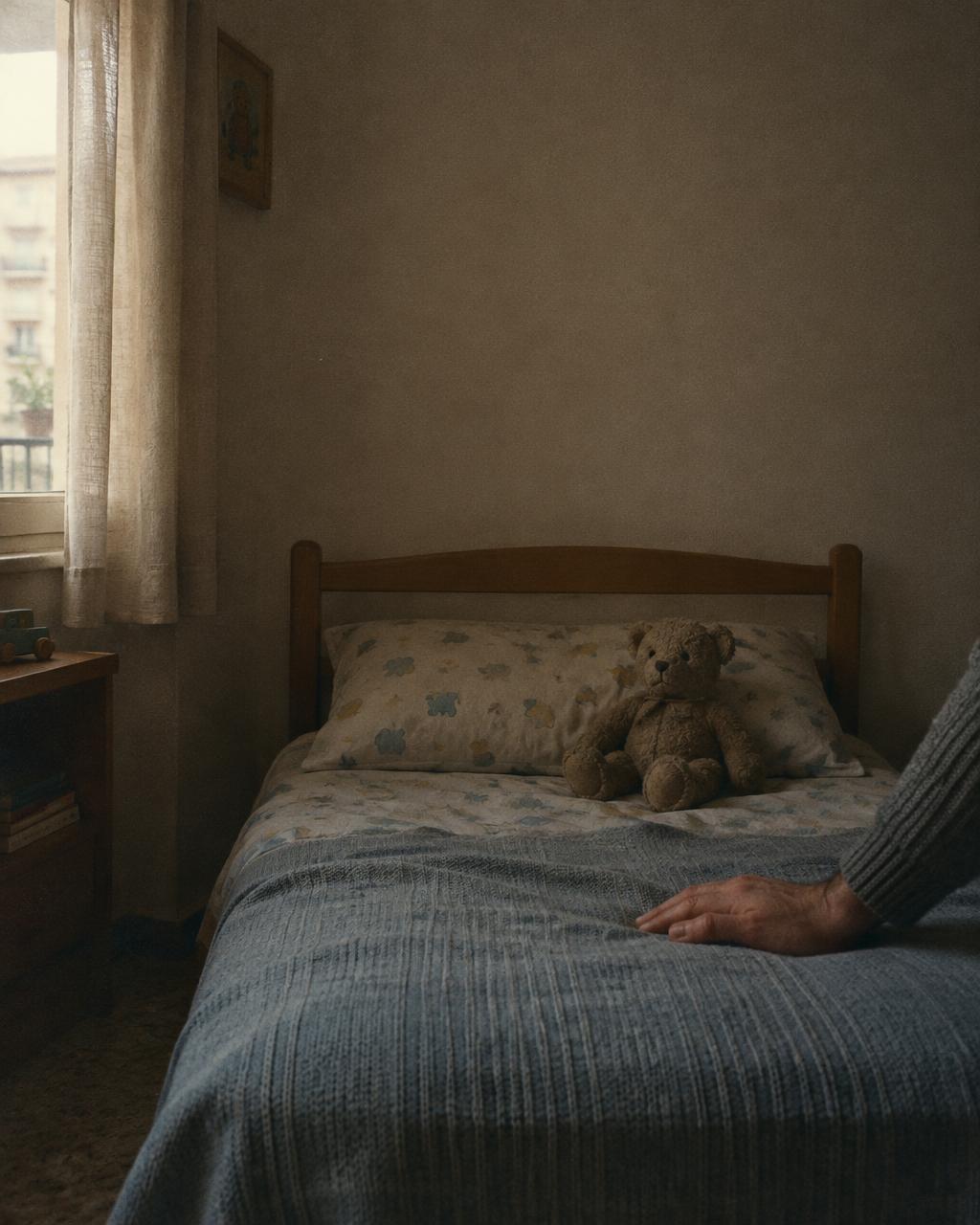
Hearing your child say “I hate you” can hurt deeply. That phrase alone does not tell us what they feel, what they have experienced or why they refuse contact. A website cannot determine whether anger, fear, harm, loyalty pressure or another difficulty is involved. Nor should a safeguarding concern be dismissed because it is painful to hear.
Leave room, rather than seek a confession
If a conversation is safe and permitted, one possible response is: “I hear you. You do not have to explain everything now.” This is an example of wording, not a therapeutic technique. It asks for neither affection, an apology nor an explanation that confirms an adult’s account. If the child describes something frightening, their account deserves attention without an adult filling in the words.
Adult pain is not the child’s responsibility
Asking them to prove their love, criticising the other parent or arguing over every phrase puts them inside the adult conflict. Your pain deserves space, but repairing it is not your child’s job. Talking with a trusted adult is different from asking your child for comfort. No wording guarantees a change in the relationship.
What this page can offer
A Father, A Child provides general information. We do not currently offer individual support, case assessments, legal representation or therapy. This text does not diagnose, prescribe a procedure or promise restored contact. Do not send us documents or details about your child or case.
Source
Know someone this guide could help?
Share it yourself. We never see or store who you send it to.
We post short guides and dated updates on Instagram and Facebook.
Get updates from the initiative
Join for free if you want to follow the project. You do not need to tell your story or send documents.
Join for free