Original practical guidance · not individual advice
Grandparent contact after separation: protecting a safe relationship
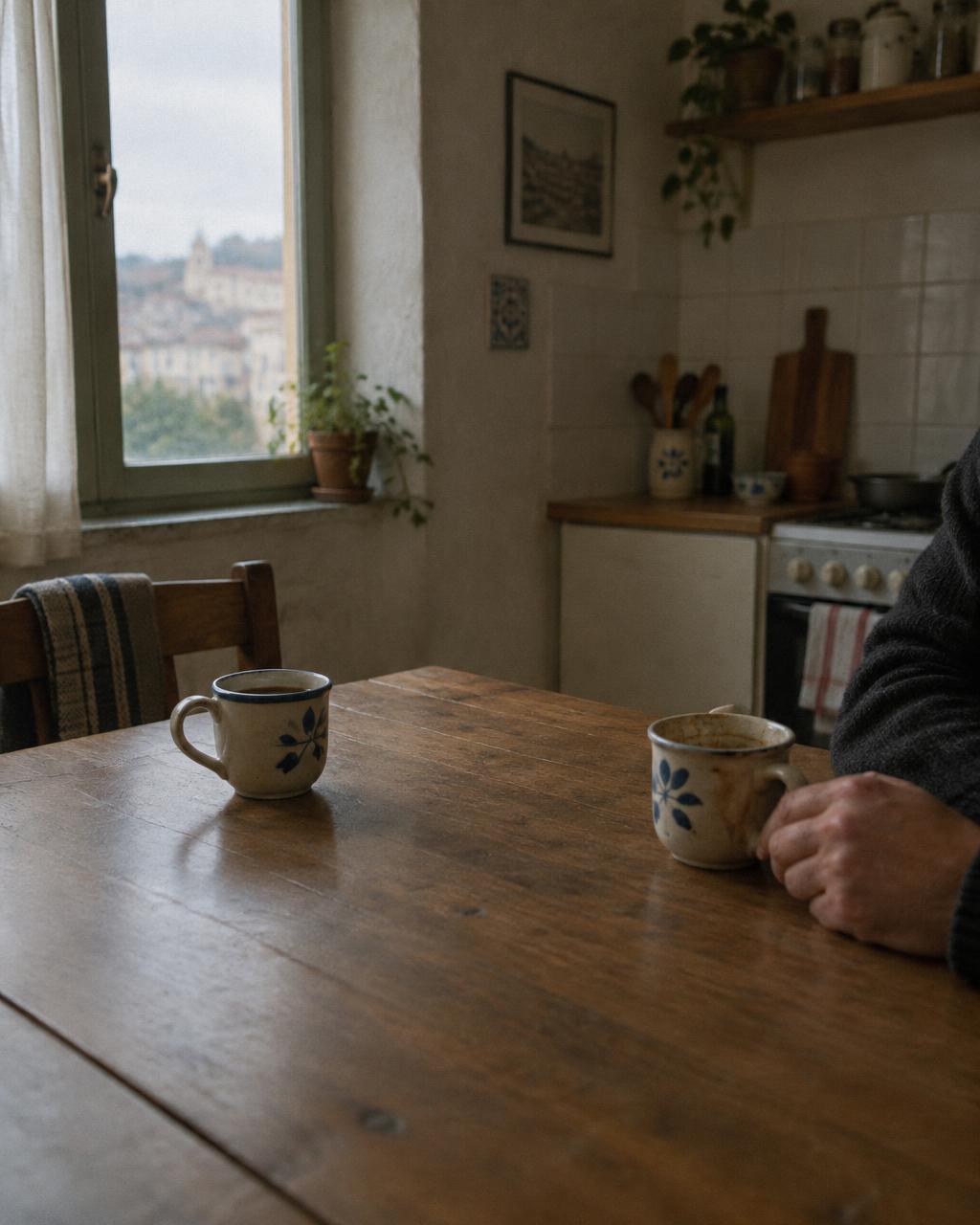
After separation, relationships with grandparents may change too. If the relationship is safe and your child enjoys it, it deserves attention without becoming a tool in adult conflict. Children have different relationships with their grandparents, and being related does not automatically guarantee wellbeing or an unconditional right to contact.
When contact has been lost
Distance can hurt grandparents and may hurt the child too, but stopped visits do not tell us why. Adult disagreements, practical difficulties, necessary boundaries or safeguarding concerns may be involved. Describe the previous relationship and what changed without making the child an arbitrator. Qualified advice can distinguish a possible agreement from something requiring legal or safeguarding assessment.
Where a safe adult channel is permitted, a small, specific proposal may be easier to consider than demanding to “restore everything.” Do not approach your grandchild at school, use gifts to get around a refusal or open secret channels. If mediation is suggested, first ask whether it is suitable and safe; do not assume it is appropriate with violence or coercive control.
A wider family, not a united front against someone
Grandparents can offer steadiness without joining the adult dispute. Agree there will be no reproaches, information-gathering or messages for other adults. If your grandchild does not want an activity, accept the boundary without making it dramatic. AFCC–NCJFCJ guidance on contact problems supports examining multiple factors and safety. It is not a grandparent-specific study and does not establish visitation rights in Spain.
Start with what is familiar to your child
Think about familiar activities they enjoyed together: a recipe, a story or a walk. If contact is permitted and safe, discuss a simple option without imposing it. A large family gathering is not necessary. Consider their age, wishes and need for rest.
Agree boundaries with the adults
Ask relatives not to question your child about the other home or criticise either parent in front of them. Grandparents should not gather information, carry messages or try to persuade them to see someone. Where an appropriate adult channel exists, clarify arrangements and expectations there, not through your child.
Do not promise what you cannot control
If there is no agreement, avoid announcing visits before they are authorised. Seek professional guidance about options and limits. You can also talk about pleasant memories, if your child wants to, without making them pressure to resume a relationship. Their sadness does not mean they must resolve the family disagreement.
Source
Know someone this guide could help?
Share it yourself. We never see or store who you send it to.
We post short guides and dated updates on Instagram and Facebook.
Get updates from the initiative
Join for free if you want to follow the project. You do not need to tell your story or send documents.
Join for free