Original practical guidance · not individual advice
Only a few hours with my child: limited contact and missed visits
When time together is brief, you may feel that every minute must be special. That pressure can make a visit harder. You do not need to fill a few hours with activities or prove that you are the better parent. Quiet time can matter too, even if it does not resolve the distance you feel.
When court-ordered contact does not happen
Being unable to see your children can mean different things: a limited court schedule, a cancelled visit, transport difficulties, your child’s refusal or a protection measure. Before calling it a breach, review the current order with your adviser. The planned schedule, contact that actually happens and relationship quality are three different things. This article cannot determine whether an order has been breached in your case.
Keep communications you already lawfully hold and note the date, planned time, what happened and any reason given. Do not alter originals or attribute motives. If a safe, authorised adult channel exists, ask for a brief clarification. Avoid handover arguments, repeated messages or asking your child to justify a cancellation. Seek qualified local legal advice about available options and deadlines; do not build a court strategy from this guide.
Between visits: continuity without pressure
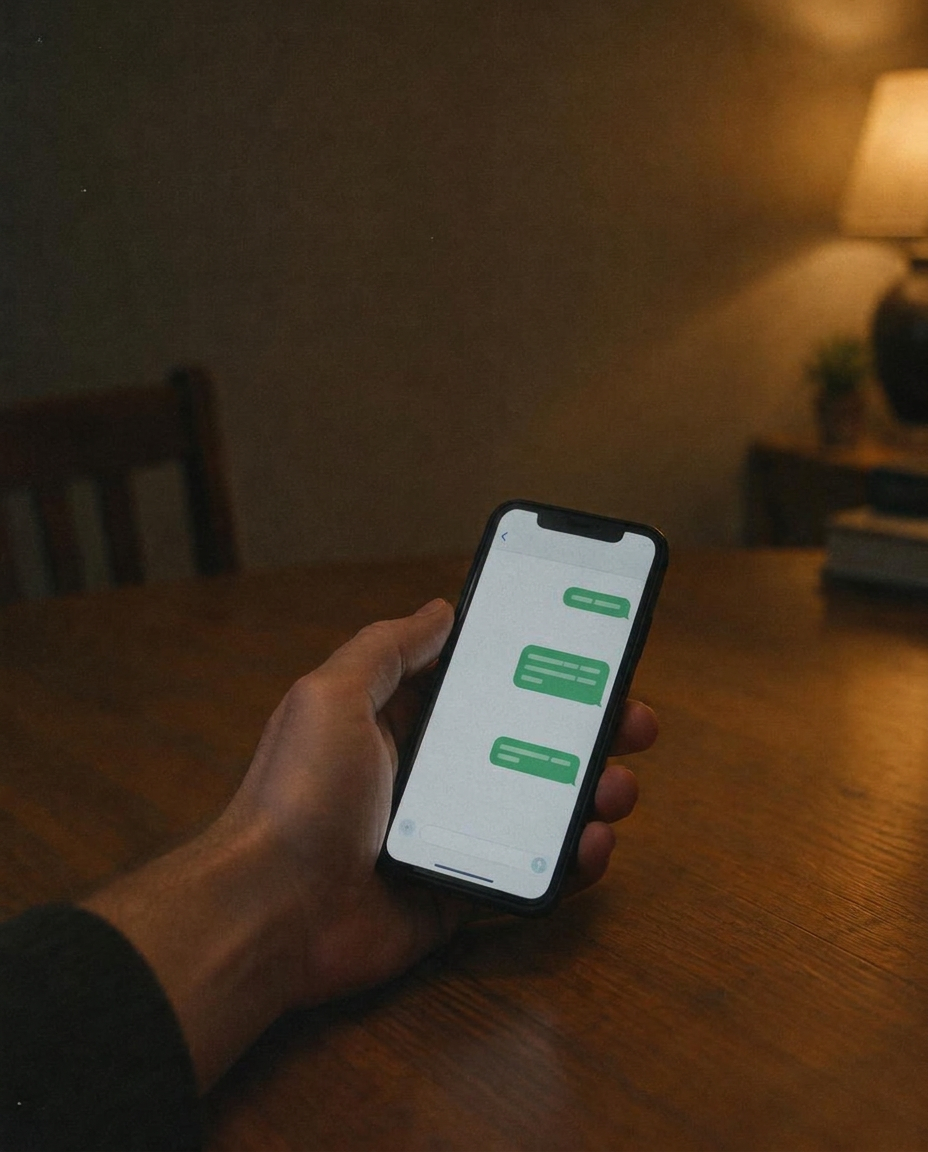
Where permitted, a short message about something ordinary can leave a door open. It need not demand a reply or describe how much you are suffering. Do not ask your child to delete messages, use secret accounts or negotiate time with you. If there is no authorised channel, ask your adviser before creating another. Recording barriers never authorises you to bypass a restriction.
Keep the plan simple
Choose something suited to their age and energy: a snack, drawing, walking or reading, if the setting and conditions allow. Offer one small choice rather than many decisions. Leave time to arrive, rest and say goodbye. If the visit is supervised, ask the service what you can bring and which rules apply.
Do not make the visit a test
Avoid asking how much they missed you or what happens in the other home. Follow their conversation without demanding disclosures. If they are quiet or distracted, do not treat that as a measure of their affection. Keep discussions about schedules and disagreements between adults, using appropriate channels.
Look after the goodbye too
Give a calm warning as the end approaches. If you know when the next authorised visit is, explain it without promising changes. Afterwards, arrange support for yourself: a call or a meal with someone you trust. You can prepare questions for professional advice if the schedule creates difficulties, without asking your child to obtain more time.
Source
Know someone this guide could help?
Share it yourself. We never see or store who you send it to.
We post short guides and dated updates on Instagram and Facebook.
Get updates from the initiative
Join for free if you want to follow the project. You do not need to tell your story or send documents.
Join for free